Express Login
 Contact Us
 RMU Login
 Customer Portal
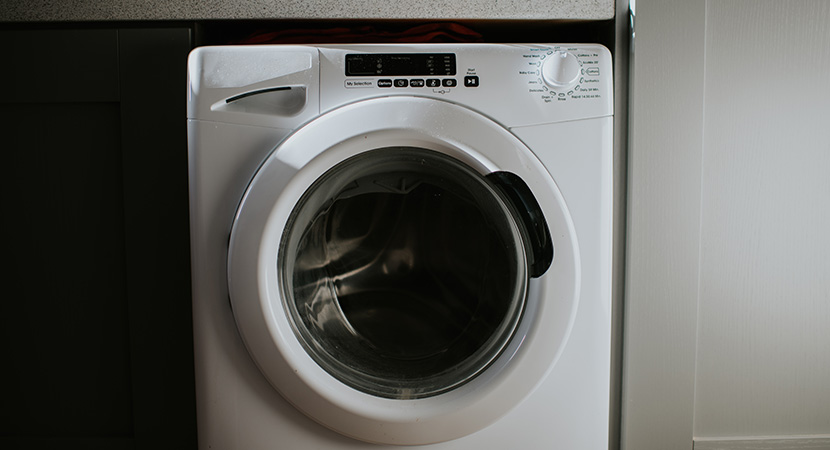
Ask renters what they won’t compromise on, and laundry comes up quickly. In a 2026 Apartments.com’s survey of more than 14,000 U.S. renters, an in-unit washer and dryer ranked among the top two must-have amenities. Yet, plenty of apartments only offer washer and dryer hookups.
Once a washer sits in the unit, it becomes part of the service your property delivers. Every late repair and leaking hose ends up being a complaint to the leasing office. And residents may remember those frustrations when leaving reviews or deciding whether to renew. Property managers don’t accept the position to run an appliance fleet. You want to lease units and provide a great resident experience.
Picture a leasing agent showing a prospect a two-bedroom apartment. The agent opens the laundry closet only to find a drain, two valves, and a dryer outlet with nothing attached. Data from the U.S. Energy Information Administration’s 2024 Residential Energy Consumption Survey shows that close to half of apartment renters have no washer at home.
Does owning the washer put more on your plate?
The obvious solution is to buy machines for every unit. Everything is fine until the service requests start. A team member takes an evening call about a washer that won’t drain, and another deals with a leak that reaches the unit below. Staff orders the part, schedules the tech, and checks both machines at every turn. If that’s your maintenance team, those hours aren’t being spent on more pressing tasks.
Unfortunately, your residents don’t see any of that. They see a load of wet clothes and a work order that sat over the weekend. Before you buy any machines, review a year’s worth of appliance work orders and look at how long renters waited. That information can help you determine whether owning the machines makes sense.
What will residents pay for it?
In the 2022 NMHC and Grace Hill Renter Preferences Survey, tenants said they would pay about $55 a month more in rent for an in-unit washer and dryer. Treat that as a starting point, since surveys aren’t always a direct indicator of what someone will do. The more difficult question is how much of that $55 you will keep once repairs, replacements, and staff time are deducted.
How can you fill the gap?
You must determine who carries the service. When a machine fails, residents need to call someone. Whoever that is will own the experience, good or bad.
Buy and own. You control the machines and can include them in the rent payment. You also handle every repair, replacement, and after-hours call. When something breaks, renters call your office and hold your property responsible. This solution suits owners with a strong maintenance team.
Let residents bring their own. This eliminates the upfront equipment costs and keeps your team out of the repair business. However, you’ll get every brand and age of machine in your building, installed by whoever the resident can find. And a prospect who doesn’t own or want to buy a washer may keep looking.
Let residents rent from a provider. A rental company owns, delivers, installs, and repairs the machine, and the resident pays a fee each month. When a machine fails, the resident calls the provider instead of your office. Some arrangements also share revenue with the property, but the provider’s service still reflects on you. This often works well, since residents typically want a machine they can start without a credit check or deposit and return when they move.
What should you ask the rental provider?
If you go the rental route, you’re trusting a vendor with part of your reputation. Ask a few questions before you sign:
- What is the repair response time, and will they put it in writing?
- Who does the resident call when a machine malfunctions?
- Does the provider bill the resident directly, or will you be charged any fees?
- What happens at move-out, and who pays if a hose fails?
Get these answers in writing. Clearly defining responsibilities between the resident and provider can help minimize your team’s involvement when issues arise.
How do you decide for your property?
Answering these four questions will help you decide:
- How many units include hookups and no machines? If it’s a handful, buying may be simple, but if it’s dozens, replacement costs will increase with every unit.
- Does your team have room for more appliance calls? If so, owning can work. If not, a provider can take those calls off their plate.
- Who do you want residents to call when a machine stops working? If the answer is your office, own the machines and staff for it. If you’d rather have your team spend time on leasing tasks and work that keeps units full, hire a provider to handle the machines.
- What are properties down the street offering? If their units include washers and dryers and yours don’t, prospects will notice immediately. If not, empty hookups may be fine for now.
How can a rental provider close the gap?
Rent Manager’s integration partner, Appliance Rentals, offers another way to provide in-unit laundry without adding appliance maintenance to your team’s responsibilities. Appliance Rentals owns and repairs the machines. Residents won’t undergo a credit check or pay a deposit, but can rent on a month-to-month basis until they decide otherwise. The property earns ancillary revenue on every rental, with no equipment to buy or store.
The washer is part of the service that your residents experience. Decide who owns that service and select the best solution for your property. Then your team can focus on leasing units and taking care of your residents.