Express Login
 Contact Us
 RMU Login
 Customer Portal

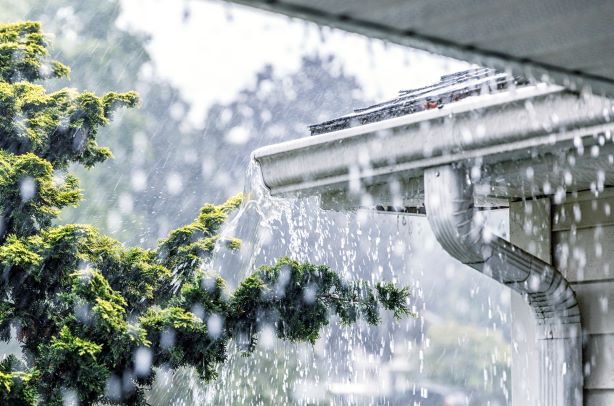
The forecast changes on a Tuesday afternoon. By Thursday, you have hundreds of residents to warn, a roof full of equipment to tie down, and a short list of contractors that everyone else in town is also calling. You can’t control the weather, and severe storms can reach almost any part of the country. What you can control is how ready your properties, your team, and your residents are when one arrives.
Severe weather preparedness for property managers comes down to three jobs: protecting your buildings, protecting your residents, and protecting your records. Below, we break down the most common types of severe weather in the U.S. (floods, hurricanes, tornadoes, and blizzards), the steps that limit damage and repair costs for each, and how to keep residents informed before, during, and after a storm.
Build Your Severe Weather Plan Before the Forecast Turns
If your properties sit in an area prone to severe storms, write your plan before the emergency hits. Assign specific tasks to specific staff members so no one is guessing during a warning. The plan should outline timelines for site preparation, safety protocols, and locations for securing equipment and materials, as well as a process for a safe return.
Two parts of the plan are easy to overlook. The first is current contact information. You can’t warn residents you can’t reach, so confirm phone numbers and email addresses before storm season, not during it.
The second is a baseline photo record. If a storm damages your property, your insurance company and contractors will want to know what everything looked like and how it worked beforehand. Keep a regularly updated photo album of every part of each property.
For a complete disaster response plan, including emergency supplies and what to do once the storm has passed, read How to Move Forward When Disaster Strikes Your Property.
How to Prevent Flood Damage to Your Rental Property
Floods can happen anywhere it rains, and even where it doesn’t. From Alaska to Florida, rain runoff and natural disasters can put water where it doesn’t belong, and a burst pipe can do just as much damage. Much of the costliest damage happens inside units, walls, and utility systems. The aftermath is a lot of work, too: insurance claims, contractors, utility repairs, and sometimes relocating residents.
Before Flood Season
Renovations done ahead of time do the most to “flood-proof” a property:
- Install foundation vents or a sump pump.
- Install check valves in your property’s pipes.
- Install backwater control plugs in floor drains, and permanently seal floor drains that are no longer in use.
- Apply coatings and sealants to walls, windows, and doorways.
- Provide floodwater entry and exit points.
- Relocate or protect equipment that shouldn’t be exposed to water.
- Use water- and wind-resistant building materials below the design flood elevation (DFE), the flood height a building’s protections are designed to withstand.
- Permanently replace first-floor doors with sealed-gasket flood doors, and install removable floodgates over entryways.
- If your property has an elevator, keep its electronic controls above the DFE: in the rooftop machine room for conventional traction elevators, or in a mechanical closet next to the elevator shaft on an upper floor for machine-room-less traction elevators.
When Flooding Is Forecast
- Use sandbags to block gaps, and sandbag floor drains.
- Install waterproof covers on vents and louvers located below the DFE.
How to Prepare a Rental Property for Hurricane Season
The Atlantic hurricane season runs from June 1 to November 30, and the Eastern Pacific season starts even earlier, on May 15. Most hurricanes and tropical storms hit states along the Gulf Coast and the Atlantic Ocean, but their wind and rain can reach far into the Midwest and up into Canada. In 2023, Hurricane Hilary reached Southern California as a tropical storm. Wherever your property is, it’s worth having a plan.
Fortunately, hurricanes and tropical storms usually give significant warning before they make landfall, so there’s time to get things in order before a possible evacuation. Use it:
- Board up windows.
- Clear outdoor spaces of anything that could become flying debris.
- Properly anchor equipment on the roof and anything attached to the building.
- Seal all cracks and openings in exterior walls.
- Regularly inspect outdoor fixtures for signs of rust and corrosion.
- Confirm your evacuation plan with staff and residents, including when and how you’ll announce it.
Hurricanes bring flooding as well as wind, so pair this list with the flood steps above.
Tornado Preparedness for Apartments and Rental Homes
Tornadoes can strike with little warning, cause extensive property damage, and pose a serious threat to residents. They’re more common in certain regions, but they can occur anywhere. Here are the essential steps to tornado-proof your property:
- Install a tornado shelter. Consider adding a tornado shelter or safe room. These reinforced structures give residents a secure place to take refuge. Make sure residents know where the shelter is and how to get in.
- Strengthen building structures. Make sure the roof, walls, and foundation are in good condition and can withstand strong winds. Reinforce entry doors and windows with impact-resistant materials.
- Create an emergency plan. Develop and share a plan that tells residents what to do during a tornado warning. Designate safe zones within the building and establish evacuation routes.
- Install a tornado warning system. Many areas that see tornadoes already have a warning system, but an onsite system can also alert residents to an imminent storm. Encourage residents to download local weather alert apps, too.
- Secure outdoor items. During a tornado watch or warning, remove or secure anything that could become a projectile, such as patio furniture, signage, or trash cans.
- Inspect regularly. Conduct regular property inspections to find and fix hazards like loose debris, damaged trees, or weak structures.
- Encourage emergency kits. Ask residents to prepare kits with essentials like non-perishable food, water, flashlights, and first-aid supplies.
Winterizing Rental Property Before a Blizzard
Blizzards bring extreme cold, heavy snow, and icy conditions, which create unique challenges in regions prone to winter storms. To protect your property and residents:
- Winterize before the season arrives. Insulate pipes to prevent freezing, seal any drafts, and test heating systems to make sure they work.
- Plan snow removal. Spell out who clears snow and ice from walkways, parking lots, and driveways, and how quickly. Hire a reliable snow removal service if necessary.
- Prepare emergency heat. In case of power outages or heating system failures, consider backup heating options like portable heaters or generators, and make sure residents know how to use them safely. Never run a generator indoors or in a garage. Its exhaust contains carbon monoxide, which can be deadly.
- Stock emergency supplies. Keep rock salt, shovels, and sand in common areas for residents to use on icy surfaces.
- Inspect the roof. Check regularly for snow buildup and ice dams, which can lead to leaks and structural damage. Safely remove excess snow if necessary.
- Set vehicle policies. Establish winter storm rules for resident vehicles, such as designated parking areas and snow removal responsibilities.
How to Notify Residents During Severe Weather
Even the most thorough emergency plan loses its value if residents don’t know what to expect or where to go. Clear, timely communication is one of the most effective ways to prevent damage and keep people safe, so set up how you’ll share updates before, during, and after a storm. Cover everything from evacuation procedures to utility outages and recovery timelines.
In fast-moving situations, speed and reach matter most. Text messages and voice calls go straight to residents’ phones, so critical updates get through even when power or internet service is unreliable. Use more than one channel so every resident stays informed, no matter how they prefer to hear from you.
| Stage | What to Send | Best Channels |
|---|---|---|
| Before the storm | Preparation reminders, evacuation plans, shelter locations, planned water or power shutoffs | Mass text, email |
| During the storm | Shelter-in-place reminders, outage updates, urgent safety instructions | Mass text, automated voice broadcast |
| After the storm | Safety check-ins, follow-up instructions, recovery timelines | Mass text, voice broadcast, email |
Property management software makes this much faster. In Rent Manager, you can send a mass text to the residents you choose in a matter of seconds, and Phone Broadcast delivers a pre-recorded voice message to as many contacts as you need, on the date and time you schedule. Texts are saved to each resident’s history, so you have a record of who was told what, and when.
Does Insurance Cover Storm and Flood Damage?
You can reduce storm damage, but you can’t eliminate every risk. Insurance covers what preparation can’t, so review your policies with your agent before storm season to understand exactly what’s covered.
Pay close attention to flooding. Standard property and renters insurance policies generally don’t cover flood damage, which makes flood insurance one of the best ways to limit costs from floods, hurricanes, and tropical storms. The National Flood Insurance Program (NFIP) offers separate flood policies for buildings and their contents, and renters can buy coverage for their belongings.
Make sure residents are covered, too. You can offer lease-compliant renters insurance directly to residents through a built-in integration like LeaseTrack, which also tracks each resident’s policy for you.
Watch the forecasts, put your plan in place early, and act as soon as warnings are issued. Together with regular communication with residents, those steps go a long way toward helping your community weather any storm.
Frequently Asked Questions
A severe weather plan should assign specific tasks to specific staff members and set timelines for site preparation, safety protocols, locations for securing equipment and materials, and a process for a safe return. It should also include current contact information for every resident and up-to-date photos of the property for insurance claims.
The Atlantic hurricane season runs from June 1 to November 30. The Eastern Pacific season runs from May 15 to November 30, according to the National Hurricane Center.
Generally, no. Standard renters and property insurance policies usually exclude flood damage. Renters can buy separate flood coverage for their belongings through the National Flood Insurance Program (NFIP), and property owners can buy coverage for their buildings.
According to the National Weather Service, a tornado watch means tornadoes are possible in and near the watch area. A tornado warning means a tornado has been sighted or indicated by weather radar. During a watch, property managers should secure outdoor items and remind residents where shelters are. During a warning, residents should go to designated safe zones immediately.
A mass text reaches residents’ phones within seconds, even if power or internet service at the property is down. Pair it with an automated voice broadcast for residents who don’t text, and follow up by email once conditions stabilize. Property management software like Rent Manager can send texts and voice broadcasts to all affected residents at once.